Plumbing Emergencies: What to Do Before Help Arrives
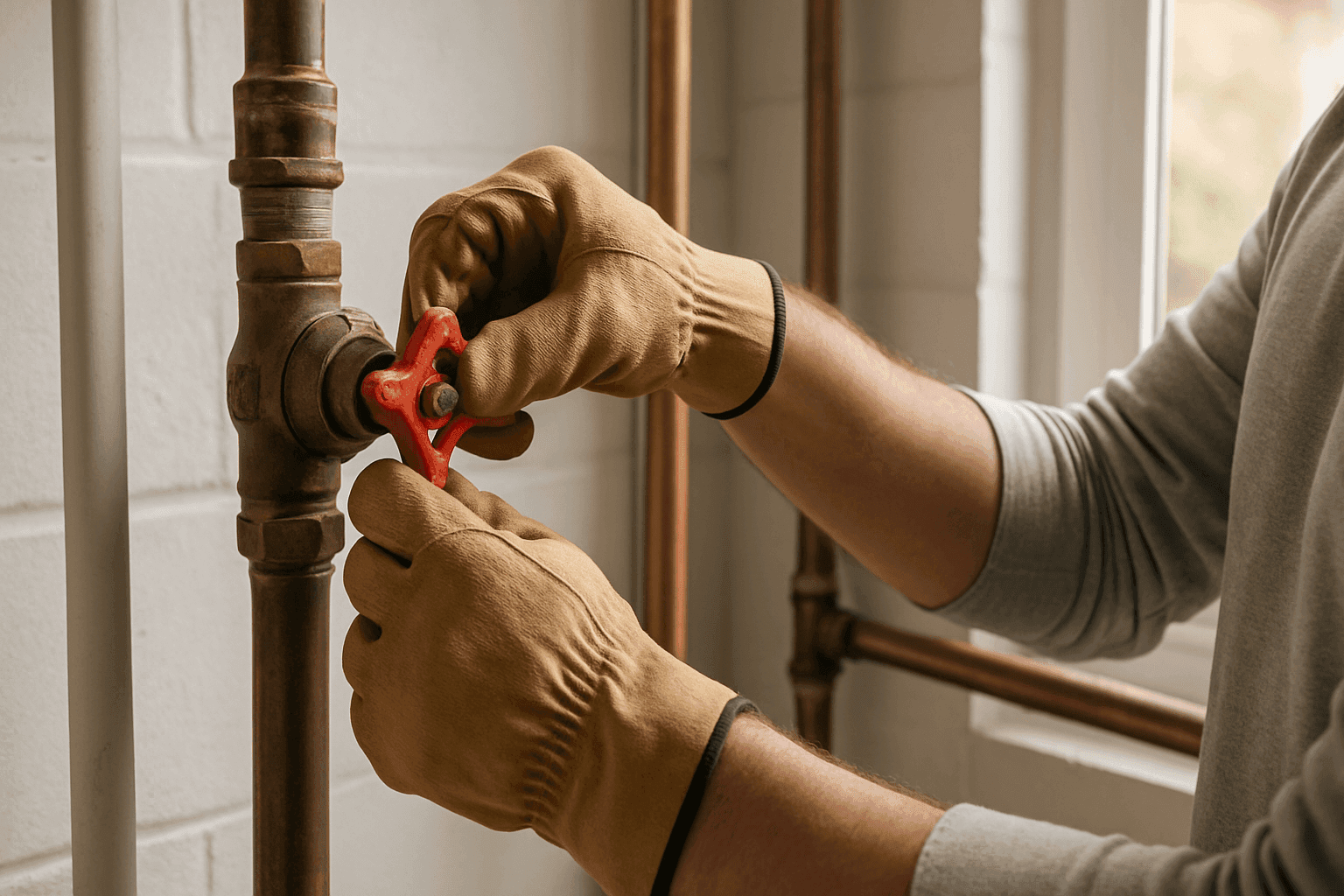
Emergencies never wait for a convenient moment. Whether it’s a gushing pipe at midnight or a bathroom flood before work, plumbing problems can turn a normal day upside down in seconds.
At AAA Septic & Plumbing, we know that quick, calm action makes all the difference. Here’s how to stay safe and keep damage in check while you wait for help.
Common Plumbing Emergencies 🚨
Plumbing emergencies come in all shapes and sizes, but some hit harder than others. Here are a few that send most people scrambling for a bucket—or the phone:
- Burst Pipes: Like a fire hydrant gone wild, a burst pipe can fill a room with water in minutes.
- Overflowing Toilets: No one wants to see water rising past the rim, especially in high-traffic homes or businesses.
- Major Leaks: Water pooling under sinks, behind walls, or dripping steadily from ceilings signals trouble.
- Gas Line Concerns: If you smell rotten eggs or hear a hissing sound, treat it as a serious emergency.
- Water Heater Failures: Leaks or no hot water can signal a bigger problem under the surface.
- Backflow Issues: Sewage coming up through drains is a health hazard that needs immediate attention.
- Sump Pump Failures: Heavy storms can overwhelm a failing sump pump, leading to basement flooding.
These emergencies don’t just cause inconvenience—they can damage property, threaten health, and rack up costly repairs if ignored.
Immediate Steps to Take
When the unexpected strikes, every minute counts. Think of yourself as the captain of a ship in a storm—acting quickly can keep things afloat until the crew arrives.
1. Shut Off the Water
- Main Water Valve: Find and turn off your home or building’s main water shutoff. It’s usually in the basement, garage, or outside near the street.
- Local Shutoffs: For smaller leaks, use the shutoff valve under sinks, behind toilets, or at the water heater.
2. Cut Power—But Only If Safe
- If water is near outlets, lights, or appliances, turn off electricity at your circuit breaker. Never touch electrical panels with wet hands or standing water nearby.
3. Contain the Leak
- Place buckets or towels to catch drips.
- Use plumber’s tape or a rag to temporarily wrap small pipe leaks.
- Move valuables, rugs, and electronics away from affected areas.
4. Ventilate for Gas or Sewage
- If you suspect a gas leak, open windows and doors. Leave the area and call your gas provider from outside.
- For sewage backflow, avoid the affected space—keep kids and pets away.
5. Avoid Hazardous Areas
- Stay clear of any standing water near electrical sockets.
- Don’t walk through flooded basements or crawlspaces.
What Not to Do During an Emergency ⚠️
In a panic, it’s tempting to “just fix it.” But some quick fixes can turn a mess into a disaster.
- Don’t Use Electrical Appliances Near Water: This is a recipe for shock or fire.
- Don’t Use Chemical Drain Cleaners: They rarely solve big clogs—and can make pipe damage worse.
- Don’t Try Risky Repairs: Avoid torching, soldering, or making complex fixes unless you’re trained.
- Don’t Ignore Gas Smells: Never try to find a gas leak with a match or lighter.
- Don’t Flush or Run Water Down Clogged Drains: This can cause more overflow or backflow.
Your safety comes first. Sometimes, the smartest move is to simply stand back and wait for professionals.
When to Call an Emergency Plumber
If you’re not sure what’s happening, call a pro. It’s always better to ask than to guess when water or gas is involved.
What to Tell Your Plumber
- Describe the Problem Clearly: Is it a burst pipe, overflowing toilet, leaky water heater, or gas smell?
- Location: Where is the issue? (Bathroom, kitchen, basement, etc.)
- Severity: How fast is the leak? Is water spreading fast or slow?
- Any Immediate Actions Taken: Let them know if you’ve shut off the water or power.
Why Urgency Matters
Some plumbing issues can’t wait. Water damage spreads quickly, and gas leaks are always a 911-level emergency. The more details you give, the faster your plumber can respond with the right tools and parts.
Quick Safety Checklist ✅
- Shut off water at the main valve.
- Cut electricity if water is near outlets (only if safe).
- Move valuables and electronics away.
- Contain leaks with towels, buckets, or tape.
- Open windows for gas or sewage issues.
- Keep everyone—especially children and pets—out of danger zones.
- Call AAA Septic & Plumbing or emergency services as needed.
DIY vs. Professional Help
There’s a difference between tightening a loose faucet and wrestling with a geyser under the sink.
DIY is okay for:
- Tightening loose connections (if accessible).
- Turning off water or power.
- Placing buckets or towels to limit damage.
Call AAA Septic & Plumbing for:
- Burst pipes or severe leaks.
- Backflow or sewage issues.
- Gas line concerns.
- Flooded basements or failed sump pumps.
- Any repair you’re unsure about.
Remember: plumbing can hide problems behind walls and under floors. What looks minor can spiral if not handled professionally.
What Pros Do On Arrival
When our team arrives, we:
- Assess the situation and ensure everyone’s safety.
- Use leak detection tools to pinpoint the source.
- Shut down water, gas, or electricity as needed.
- Make temporary or permanent repairs on pipes, fixtures, water heaters, or sump pumps.
- Conduct Sewer Line Inspection if blockages or backflow are suspected.
- Advise on cleanup, restoration, and any next steps.
We follow local and national code guidelines—like those from the International Plumbing Code (IPC) and your city’s safety regulations—to keep your home or business protected.
Prevention & Maintenance
Emergencies are stressful, but many can be prevented with regular care.
- Routine Inspections: Schedule Sewer Line Inspection, leak detection, and gas safety checks yearly.
- Upgrade Old Pipes: Repiping older homes can prevent bursts.
- Backflow Prevention: Install and test devices to keep sewage out.
- Water Heater Maintenance: Annual flushes and checks help avoid leaks.
- Sump Pump Testing: Especially before storm season.
- Check for Leaks: Watch for small drips or stains—they’re like warning lights on a dashboard.
AAA Septic & Plumbing offers preventative maintenance for both residential and commercial clients, helping you avoid surprises.
Costs & Time Factors
The cost and time to fix a plumbing emergency depends on:
- Severity and location of the problem (e.g., a main line burst vs. a leaky faucet).
- Access: Hidden leaks take longer to find and repair.
- Parts and materials: Some repairs need special parts that may not be on-hand.
- Time of day: Emergency services outside regular hours may require a higher service fee.
Most emergencies can be stabilized within an hour or two, but full repairs—like repiping or sewer line installation—may take longer. While we can’t give quotes here, being prepared helps minimize both time and cost.
When It’s an Emergency
If you’re wondering whether it’s urgent, ask yourself:
- Is water or sewage spreading quickly?
- Is there a risk of electrical or gas hazards?
- Could the problem cause structural damage?
- Is there a health risk (sewage, gas, mold)?
If the answer is yes, treat it as an emergency and call immediately. Delays can lead to more damage, higher repair costs, and serious health risks.
FAQ
What should I do if my water heater is leaking?
Turn off the water supply to the heater, then shut off the power or gas. Place a bucket to catch drips and call for service.
Can I pour chemicals down a clogged drain?
It’s best to avoid this. Chemicals can damage pipes and rarely work on severe blockages. Try a plunger—or call for professional drain cleaning.
How do I know if I have a gas leak?
A sulfur or rotten egg smell, hissing sounds, or dying houseplants near gas lines are signs. Evacuate, ventilate, and call emergency services.
Should I try to fix a burst pipe myself?
You can shut off the water and contain leaks, but full repairs should be left to a licensed plumber to ensure safety and code compliance.
Local/Seasonal Considerations 🌧️
If you live in an area with cold winters, frozen pipes are a common cause of bursts. Insulate pipes and let faucets drip during deep freezes. Heavy rains? Be sure your sump pump is working and drains are clear.
For businesses and commercial properties, schedule annual backflow testing and Sewer Line Inspection near you to avoid unexpected closures.
Plumbing problems can be overwhelming, but you don’t have to face them alone. For fast, professional help—day or night—
Call AAA Septic & Plumbing now — or reach us anytime at 877-757-7586 .