Sewer Line Problems: Warning Signs, Causes & Solutions
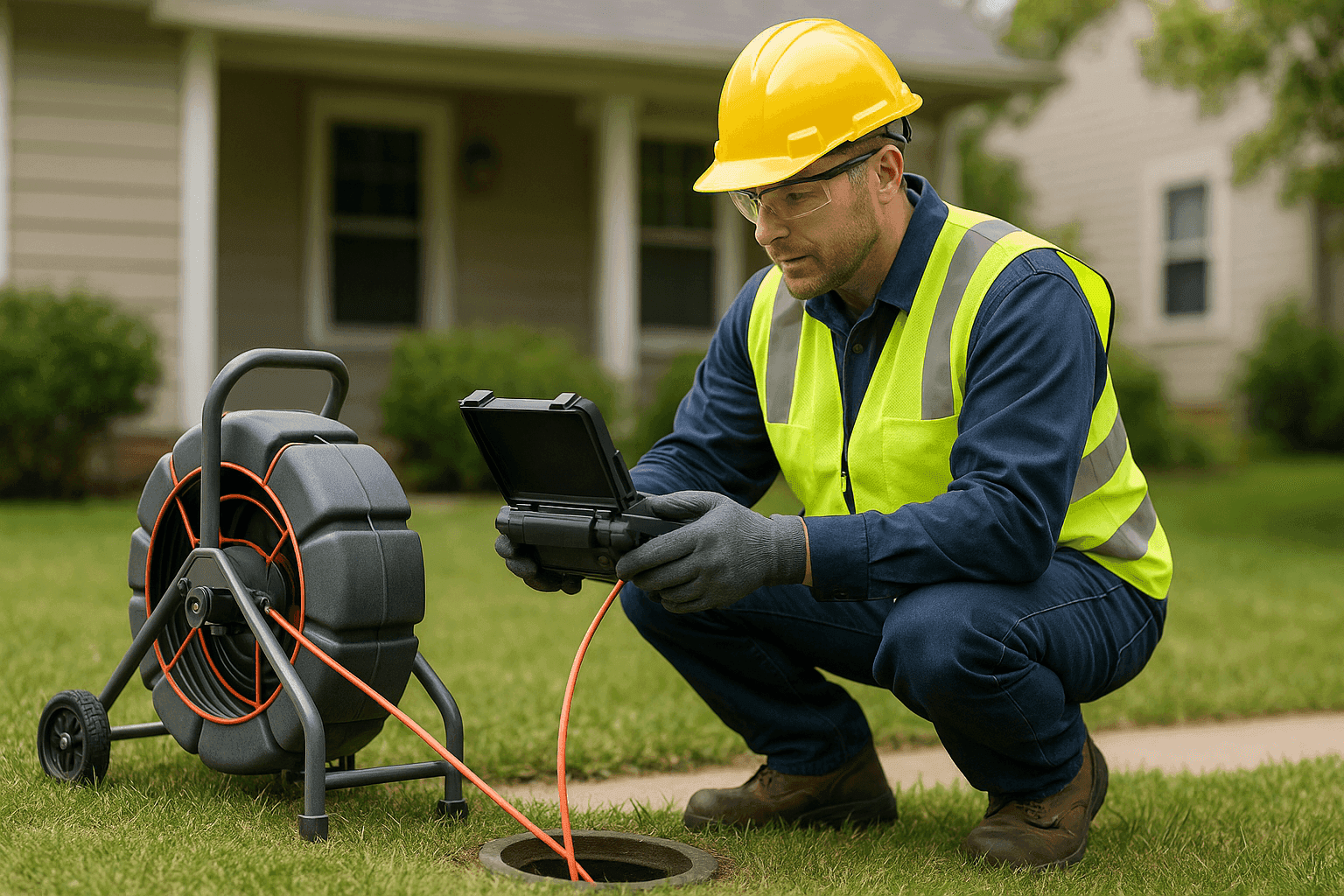
Keeping your plumbing healthy isn’t just a matter of convenience—it’s essential for safety and peace of mind. Sewer line problems rarely wait for a good time. They show up fast and, if ignored, can cause major headaches and costly repairs. At AAA Septic & Plumbing, we’ve helped countless homeowners and businesses tackle these challenges head-on, using proven techniques and professional-grade tools.
Let’s break down what you need to watch for, what causes these underground troubles, and how to respond with confidence. Quick action can make all the difference between a simple fix and a messy disaster.
Common Warning Signs of Sewer Line Problems 🚩
Sewer line issues often start quietly. Recognizing the early signs is like catching a rainstorm before it floods your basement. Here’s what to look for:
- Slow drains: Is the water in your sinks, tubs, or toilets taking forever to disappear? If it’s more than just one fixture, this could signal a blockage in your main sewer line.
- Gurgling sounds: Pipes shouldn’t sound like a coffee percolator. Bubbling or gurgling noises from drains and toilets hint at trapped air—often caused by clogs or broken pipes.
- Foul odors: That musty, rotten-egg smell? It’s never normal. Sewer gas leaking into your home or business is a red flag.
- Water pooling in the yard: Soggy patches, especially when it hasn’t rained, may mean a sewer line is leaking underground.
- Unexplained lush patches in your lawn: If one area is suddenly greener or growing faster, it could be getting “help” from a leaking sewer.
Ignoring these signs is like letting a small leak drip onto your floor for months. Sooner or later, you’ll have a mess on your hands.
What Causes Sewer Line Damage?
Sewer lines face more threats than you might think. Some are natural, some are man-made, but all can spell trouble if left unattended.
- Root intrusion: Tree roots are relentless. They seek out cracks in pipes, pushing their way in and growing until they clog or break the line.
- Aging pipes: Pipes don’t last forever. Older materials like clay, cast iron, or Orangeburg become brittle, collapse, or corrode over time.
- Corrosion: Even metal pipes aren’t immune. Rust can eat away at the inside, leading to pinhole leaks or major failures.
- Blockages from debris or grease: Flushing the wrong things—wipes, paper towels, grease—can build up over time, creating stubborn clogs.
- Heavy rains or flooding: When the ground becomes waterlogged, shifting soil can bend or break buried pipes.
The result? A problem that starts small but can quickly spiral out of control if not addressed fast.
What to Do If You Suspect a Problem
First things first—don’t panic. But don’t ignore it either. Acting fast can prevent bigger repairs and costly property damage. Here’s what you should do:
- Avoid DIY digging: Never try to dig up or expose a sewer line yourself. You risk personal injury, property damage, and may even violate local plumbing codes (see the Uniform Plumbing Code for details).
- Limit water usage: Until a professional assesses the issue, reduce water use. This helps prevent backups and overflows.
- Call a licensed plumber for inspection: Choose a team with experience in sewer line inspection near you. Professional plumbers use video cameras and specialized tools to pinpoint the problem safely and efficiently.
If you smell gas or notice water backing up into your home, treat it as an emergency and call for help immediately.
Preventing Sewer Line Issues 🛡️
The best way to handle sewer line problems is to avoid them in the first place. Prevention beats repair every time.
- Schedule regular sewer line inspections: At least once every couple of years, especially in older homes or if you have large trees nearby.
- Be careful what you flush or pour: Only toilet paper and human waste should go down the toilet. Never pour grease, oils, or coffee grounds down the drain.
- Manage root growth: Consider root barriers or periodic root cutting if you have mature trees around your sewer line.
- Fix leaks promptly: Small leaks can become big problems. Address any signs of water damage or slow drains right away.
Regular maintenance isn’t just a chore—it’s an investment in your home or business’s future.
Quick Safety Checklist
- If you notice sewage smells indoors, ventilate the area and avoid contact.
- Don’t enter spaces where you suspect sewer gas is present.
- Keep children and pets away from affected areas.
- If water is backing up, avoid using electrical devices near wet floors.
- Have your property’s main shut-off valve location memorized—just in case.
DIY vs. Call a Pro
Some small clogs can be handled with a plunger or drain snake. But when it comes to sewer lines, DIY can quickly turn risky. Here’s when to call a professional:
- If you have multiple slow drains at once.
- If there’s water pooling outside or sewage backing up.
- If you hear persistent gurgling or smell foul odors.
- If you suspect tree root intrusion or pipe collapse.
Professional plumbers have the tools—like sewer cameras and hydro-jetters—that go far beyond anything on the hardware store shelf.
What Pros Do On Arrival
When AAA Septic & Plumbing arrives, our licensed plumbers follow a proven process:
- Assessment: Listen to your concerns and conduct a visual inspection.
- Sewer camera inspection: We use specialized cameras to look inside your pipes without digging.
- Diagnosis: Identify the exact location and cause of the problem.
- Solution: Recommend the safest, most effective fix—whether it’s cleaning, repair, or replacement.
- Safety checks: Ensure your property is free from contamination and meets local plumbing codes.
Our goal is always to resolve the issue quickly and safely, minimizing disruption to your home or business.
Prevention & Maintenance
Long-term plumbing health comes down to a few smart habits:
- Annual or biannual maintenance checks: Especially for commercial properties or older homes.
- Install drain screens and grease traps: These simple tools catch debris before it causes trouble.
- Landscaping with care: Plant trees far from sewer lines and avoid invasive species.
- Educate household members or staff: Make sure everyone knows what’s safe to flush or pour.
A little prevention now can save you from a world of trouble later.
Costs & Time Factors
Sewer line repairs range widely in cost and time, depending on the problem:
- Minor clogs: May be cleared in an hour or two.
- Root removal or small repairs: Often done within a day.
- Full line replacement: Can take several days, especially if digging is needed.
Materials, pipe depth, and property access all play a role. It’s always best to get a professional assessment for an accurate estimate.
When It’s an Emergency 🚨
Some sewer line problems can’t wait:
- Raw sewage backing up into sinks, tubs, or toilets.
- Sudden, persistent sewer odors indoors.
- Gushing water or flooding in your yard or basement.
- Gas smells near plumbing fixtures.
In these cases, call a professional plumber right away. Sewage exposure is a serious health hazard, and gas leaks can be explosive. Fast action protects your family, staff, and property.
FAQ: Sewer Line Problems
How often should I have my sewer line inspected?
For most homes, every 2–3 years is a good rule of thumb. Older properties or those with large trees nearby should consider more frequent checks.
Can I use chemical drain cleaners for sewer line clogs?
It’s not recommended. Harsh chemicals can damage pipes and rarely solve deep blockages. Always consult a professional.
What if I ignore the warning signs?
Delaying repair can lead to sewage backups, property damage, and potential health risks. It’s always safer and more cost-effective to address problems early.
Who is responsible for the sewer line?
Property owners are typically responsible for the sewer line up to the connection with the public main. Check with your local building department for specifics.
Local & Seasonal Considerations
Seasonal changes can impact your sewer lines more than you think. Spring’s heavy rains can saturate the soil, putting pressure on buried pipes and making root intrusion worse. In winter, freezing temperatures may cause older or shallow lines to crack. If you live in an area with large, mature trees, keep a close eye on your plumbing year-round.
For commercial properties, regular inspections are especially important before busy seasons—like the holidays or peak service months—to avoid disruptions.
Don’t wait for a small problem to become a catastrophe. If you’ve noticed any warning signs or just want peace of mind, our team is ready to help.
Call AAA Septic & Plumbing now — or reach us anytime at 877-757-7586 .