Repiping Your Home or Building: When, Why & How to Prepare
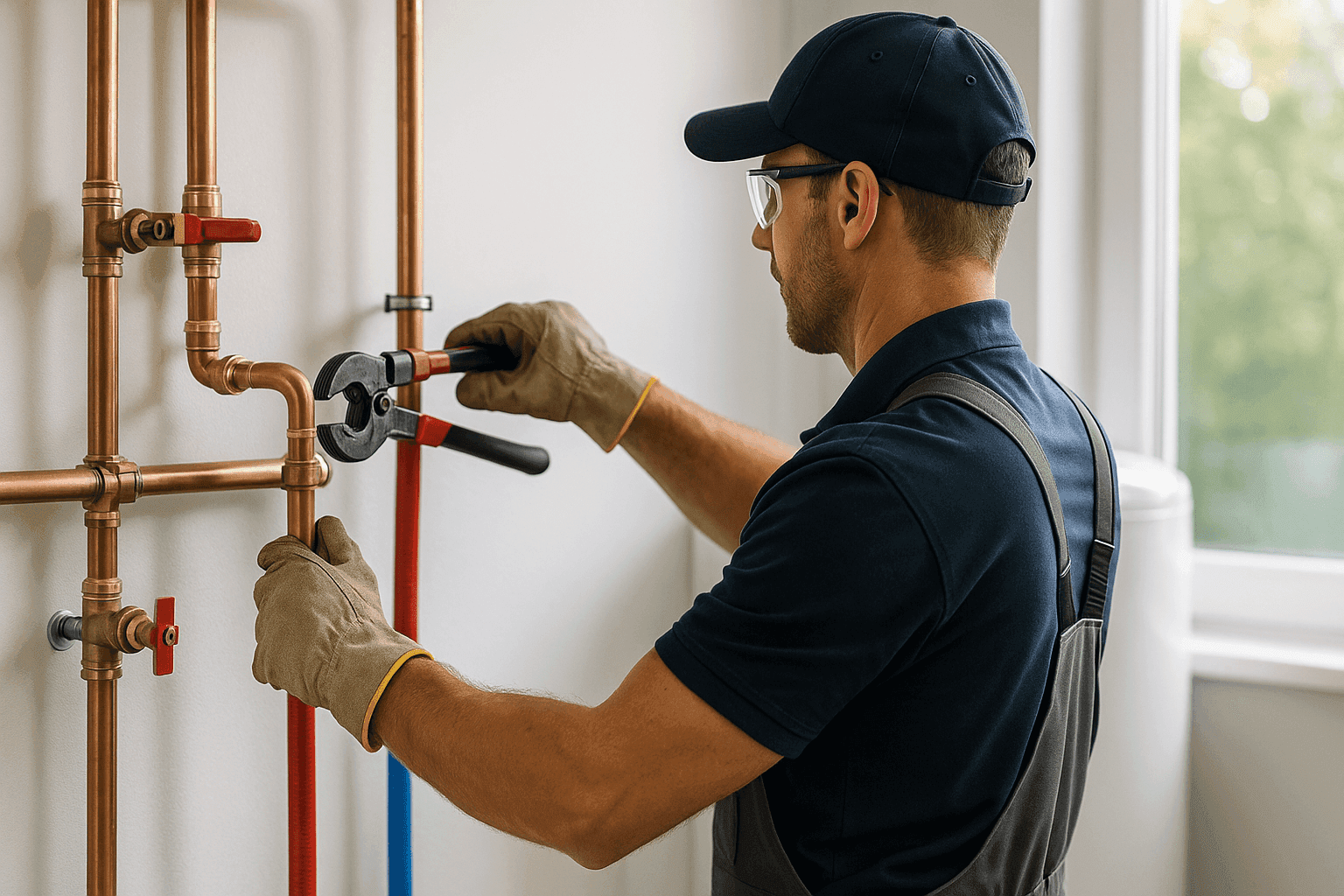
Is your water suddenly cloudy or rusty? Tired of chasing leaks that just keep coming back? Maybe you’ve started to wonder if your old pipes are telling you it’s time for something bigger—a complete repipe.
Repiping is a big decision, but sometimes it’s the only way to bring peace of mind, clean water, and reliable plumbing back to your home or building. At AAA Septic & Plumbing, we help property owners—both residential and commercial—navigate repiping with minimal stress.
Signs Your Property Needs Repiping 🚰
Let’s face it: Pipes don’t last forever. But how do you know when it’s more than a quick fix? Here are the top signs your plumbing is ready for an overhaul:
- Chronic leaks: If you’re calling for leak repair more than you call your friends, it’s a clue your pipes are past their prime.
- Discolored water: Water should be clear, not brown or yellow. Rusty pipes shed particles into your water—never a good sign.
- Low water pressure: Clogged, corroded pipes choke water flow. If your showers feel more like a drizzle, this could be why.
- Visible corrosion: Green, blue, or white buildup on pipe joints or valves is corrosion waving a red flag.
- Strange taste or smell: Odd odors or metallic tastes signal trouble that may be hiding in your pipes.
If you’re seeing these warning signs, it’s time to think about a whole-house or building repipe—not just another patch.
Benefits of Repiping
Repiping feels like a big leap. Here’s why it’s worth considering for both homes and businesses:
- Better water quality: New pipes mean fresh, clean water—no rust, no weird tastes.
- Fewer plumbing emergencies: Say goodbye to frequent leaks and surprise floods.
- Improved water pressure: Enjoy stronger showers and faster-filling sinks.
- Boosted property value: Up-to-date plumbing is a selling point buyers love.
- Peace of mind: No more worrying about hidden leaks or failing pipes.
Think of repiping like replacing the veins of your property. The whole system gets a new lease on life.
The Repiping Process: Step by Step
Worried it’s a messy mystery? Here’s what to expect when you call for a repiping project:
1. Initial Inspection
A licensed plumber starts with a thorough inspection. They’ll check for leaks, corrosion, and test water quality. Sometimes, tools like video cameras are used for sewer line inspection near you, especially if drains are slow or backing up.
2. Pipe Material Choices
Not all pipes are created equal. Here are the top options:
- Copper: Durable and time-tested, but can be pricier.
- PEX: Flexible, budget-friendly, and easier to install in tight spaces.
- CPVC: Good for both hot and cold water, but not as flexible as PEX.
The right material depends on your building, budget, and local code requirements (see the Uniform Plumbing Code for more details).
3. Project Timeline
Most repiping jobs take a few days to a week for typical homes. Larger commercial buildings may take longer. Your plumber will give you a realistic estimate based on your property’s size and complexity.
4. What Happens During Installation
- Water is shut off in sections to minimize disruption.
- Old pipes are exposed—usually through walls, ceilings, or floors.
- New pipes are run alongside or in place of the old ones.
- System is pressure-tested for leaks and safety.
- Walls and surfaces are patched and restored.
It’s normal for a bit of dust and noise, but a good crew keeps things tidy and communicates every step.
Preparing for Repiping
Repiping doesn’t have to turn your week upside down. Here’s how to make it as smooth as possible:
- Clear access: Move furniture and valuables away from work areas.
- Communicate: Let family, tenants, or staff know the schedule and where water will be off.
- Plan for water shutoffs: Stock up on bottled water and make a plan for bathroom use during work hours.
- Protect pets: Curious animals and open walls don’t mix.
- Ask questions: Your plumber should explain what’s happening, when, and how long each phase will last.
A little preparation goes a long way to keep the project on time—and keep everyone comfortable.
Why Licensed Plumbers Matter
Repiping isn’t a job for a weekend warrior. Licensed plumbers know local codes, safety procedures, and how to handle surprises without cutting corners. Unlicensed work can lead to leaks, failed inspections, or even insurance headaches down the road.
At AAA Septic & Plumbing, our team stays up to date with the latest code requirements (like those from the International Association of Plumbing and Mechanical Officials) and safety standards from the CDC for water safety. Our experience means fewer surprises and a safer project from start to finish.
Real-World Expectations: Timelines & Disruptions
No sugarcoating—repiping is a major project. Here’s what you can count on:
- Time: Most homes are done in 2–7 days. Commercial projects may take longer due to scale and complexity.
- Noise & Dust: There will be some, but good crews use dust barriers and daily cleanup.
- Partial water shutoffs: Not every zone is off at once, but you’ll have some interruptions.
- Restoration: Walls or ceilings opened for access will be patched and prepped for painting.
Ask your plumbing team for a day-by-day overview so you know what to expect.
Practical Tips for a Smooth Repiping Project
- Schedule work during a time that’s least disruptive—think school or business holidays.
- Label water shutoff valves so you know which areas are affected.
- Keep a list of your building’s plumbing fixtures to track progress.
- If you have sensitive equipment (like in a restaurant or medical office), arrange alternate water sources or plan for downtime.
Frequently Asked Questions
How do I know if I need a full repipe or just repairs?
If you’re dealing with leaks in multiple areas, discolored water, or recurring low pressure, spot repairs may only buy you a little time. A licensed plumber can inspect and guide you on whether repiping is the smarter, long-term fix.
Can I stay in my home or keep my business open during repiping?
Usually, yes. Most repiping projects are staged so that only small areas are without water at any one time. For large commercial properties, some business operations may need to be adjusted.
Will my walls be left in good condition?
Reputable plumbing companies patch up any holes they make, leaving surfaces ready for paint or finishing. Always ask what’s included before work begins.
What kind of pipes last the longest?
Copper and PEX are both durable, but the best choice depends on your building’s needs and water conditions. Your plumber will help you weigh pros and cons.
Local & Seasonal Considerations
In colder climates, pipes are at higher risk for freezing and bursting. For older buildings, local codes may require specific materials or installation techniques. Seasonal demand can affect scheduling—spring and summer are busy times for major plumbing upgrades.
Authoritative Resources
For more on plumbing codes and safety, see the Uniform Plumbing Code and CDC water safety guidelines. City building departments can also provide details on permits and inspection requirements in your area.
No one wants to deal with water damage or the hassle of constant repairs. Repiping is a big step—but it’s often the right one for long-term safety, comfort, and peace of mind.
Call AAA Septic & Plumbing now — or reach us anytime at 877-757-7586 .