Backflow Prevention: Protecting Water Quality in Your Property
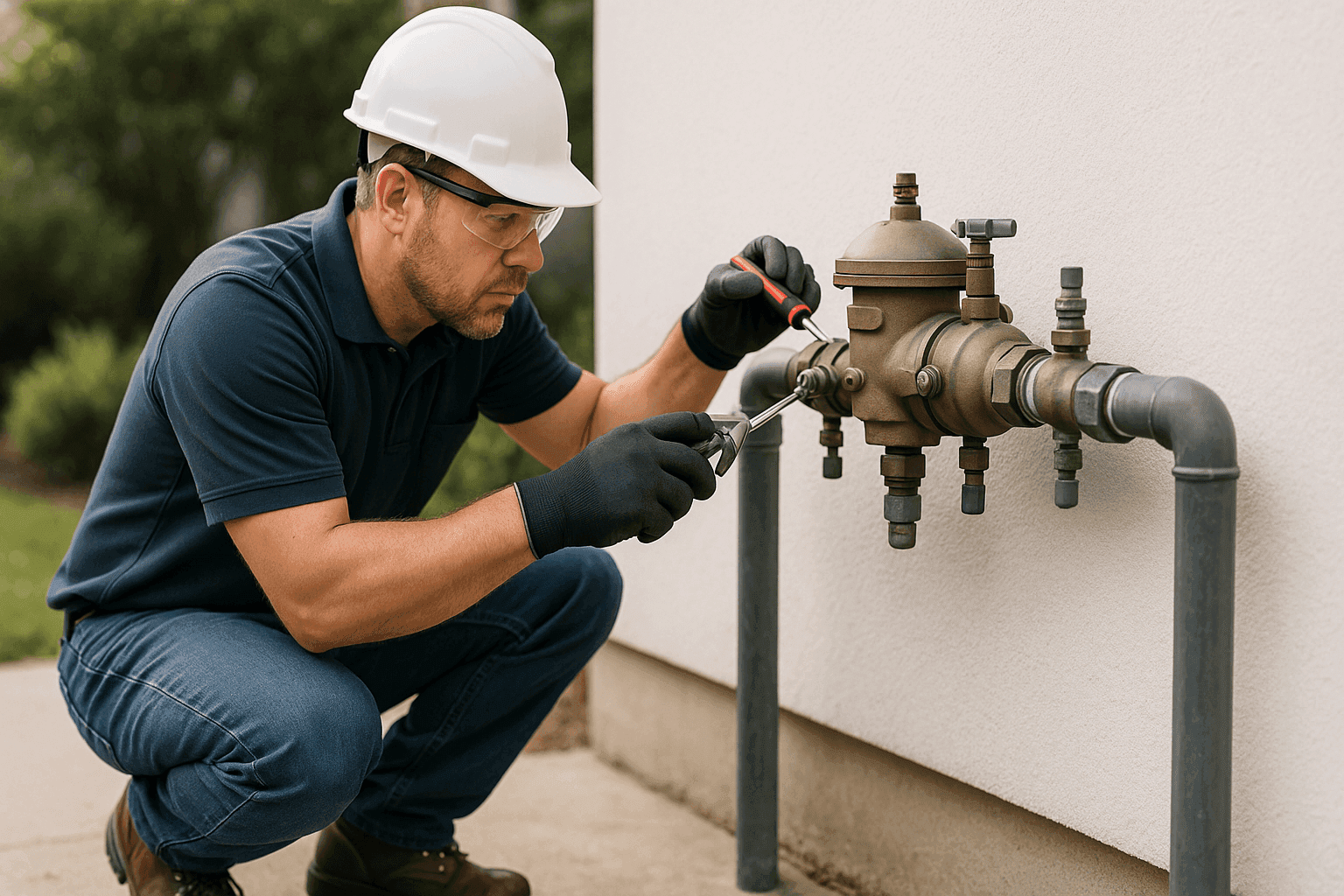
Clean, safe water isn’t something people think about—until it’s suddenly not there. A single plumbing mishap can put your entire water supply at risk. For homes and businesses alike, preventing contamination isn’t just about comfort. It’s about health, law, and peace of mind.
Let’s take a closer look at how backflow can threaten your water, what keeps it out, and why regulations exist to keep everyone safe.
What Is Backflow and Why Is It Dangerous? 🚱
Backflow is what happens when water flows in the wrong direction—back into your pipes instead of out. Imagine dirty water from a garden hose, a sprinkler, or even a toilet, reversing course and mixing with your drinking water. Not a pleasant thought.
This reversal can pull pesticides, sewage, or harsh cleaning chemicals straight into your home or business plumbing. The risk? Illness, foul odors, and even long-term health hazards. According to the Environmental Protection Agency (EPA) and the Uniform Plumbing Code, backflow incidents are a leading cause of waterborne disease outbreaks in buildings where prevention fails.
Backflow usually strikes when water pressure changes unexpectedly. Fire hydrants in use, broken mains, or high demand in the system can all create conditions for backflow. One moment, you think your tap is safe. The next, contaminants are making their way through every pipe in the building.
How Backflow Prevention Devices Work 🛡️
Backflow prevention devices are like bouncers at the door—they make sure nothing unwanted gets past. Here’s how they do it:
- Air Gaps: The simplest method. There’s a literal gap of air between the water source and any place it could be contaminated. Think of the space between your kitchen faucet and the sink. That gap keeps dirty water from splashing up into your clean supply.
- Check Valves: These are one-way doors for water. They let water move forward but slam shut if it tries to reverse. Devices like double check valve assemblies or reduced pressure zone (RPZ) assemblies are installed in main lines, sprinkler systems, and commercial setups.
- Where They’re Installed: Common spots include irrigation systems, fire sprinklers, commercial kitchens, and anywhere cross-connections might allow contaminated water to mix with the clean supply.
When these devices work, they keep the good water in and the bad water out. Simple, effective, and required by most plumbing codes in the U.S.
Backflow Testing and Maintenance 🔧
Backflow preventers aren’t “set it and forget it” devices. Codes like the International Plumbing Code (IPC) and local health ordinances require regular testing—usually once a year for commercial properties, sometimes less often for homes. Why? Because parts can wear out, freeze, or clog.
Signs your backflow device might be failing:
- Unusual taste or odor in your water
- Drop in water pressure
- Visible leaks around the device
- Water discoloration
Routine testing must be done by a certified plumber. This isn’t just a box-ticking exercise; local authorities can fine properties that skip annual checks, and insurance claims may be denied if devices aren’t maintained.
For commercial properties, backflow testing reports often need to be submitted to your city or county. Residential customers should keep their own copy for peace of mind.
Who Needs Backflow Prevention? 🏢🏠
You might think backflow is only a commercial or industrial problem. Not true. Here’s who needs to pay attention:
- Homes: Especially those with irrigation systems, swimming pools, or private wells.
- Businesses: Restaurants, hotels, laundromats, car washes—anywhere water is used in large amounts or could mix with chemicals.
- Buildings with Sprinkler Systems: Fire safety is crucial, but so is making sure chemicals from sprinkler lines don’t back up into your drinking water.
- Commercial Kitchens: Dishwashing stations, mop sinks, and ice machines all need protection.
Many local plumbing codes (such as those from the American Water Works Association and state health departments) mandate backflow prevention for any property with potential cross-connections.
Quick Safety Checklist
- Inspect your plumbing for cross-connections (places where non-potable and potable water might meet).
- Check for a backflow prevention device on your main supply, irrigation, or fire sprinkler lines.
- Schedule annual testing with a licensed plumber.
- Watch for water pressure changes or discoloration after plumbing work or supply interruptions.
- Keep records of all maintenance and inspections.
DIY vs. Call a Pro
Some plumbing fixes can be a weekend project. Backflow prevention isn’t one of them.
- DIY: You can check for visible leaks, listen for odd sounds, or notice changes in water quality.
- Call a Pro: Installation, testing, and repair of backflow devices must be done by certified plumbers. Local regulations require it.
Trying to install or test these devices without the right tools and training isn’t just risky—it can void insurance or get you fined.
What Pros Do On Arrival
When a licensed plumber arrives to inspect or test your backflow prevention device, they’ll:
- Review your property for cross-connections and risk points.
- Test your device using calibrated gauges.
- Identify wear, damage, or improper installation.
- Document the results for your records and, if required, submit to local authorities.
- Recommend repairs or replacement if devices don’t pass.
A good plumber will also answer your questions, show you where your device is, and explain how to spot problems in the future.
Prevention & Maintenance
Keeping your water safe doesn’t end with installation. Make backflow prevention part of your maintenance routine:
- Mark testing dates on your calendar—annual checks are the norm.
- Have your plumber check the device any time major plumbing work is done.
- Insulate outdoor devices before winter to prevent freeze damage.
- If you’re a business owner, train staff to recognize signs of backflow device failure.
Refer to guidelines from organizations like the EPA and local building departments for official checklists.
Costs & Time Factors
Backflow prevention device installation and testing costs vary based on:
- Device type (simple check valve vs. complex assembly)
- Location and accessibility
- Local code requirements
Testing typically takes under an hour. Repairs or replacements can add time, especially if your plumbing is difficult to access. Remember, the cost of prevention is far less than the cost of fixing contaminated water or facing regulatory penalties.
When It’s an Emergency 🚨
If you notice any of these, call for emergency plumbing help right away:
- Sudden change in water taste, color, or smell
- Visible backflow of dirty water into sinks or toilets
- Major drop in water pressure after a supply break
Don’t wait—water contamination can happen quickly and cause real harm.
FAQ
Q: Is backflow prevention required by law?
A: Yes, most states and municipalities require backflow prevention for certain properties. Check your local codes or ask your plumber.
Q: How often should I test my backflow device?
A: Annual testing is standard for commercial and many residential properties, but always confirm with local regulations.
Q: Can I install a backflow preventer myself?
A: No. Certified installation and testing are required to ensure your device is approved and compliant.
Q: What are signs of backflow device failure?
A: Look for water discoloration, pressure drops, leaks, or strange tastes and smells.
Local/Seasonal Considerations 🌦️
Cold winters can freeze and crack outdoor backflow devices. In areas with heavy rain, flooding or sudden changes in main water pressure can increase backflow risk. Schedule device checks before and after harsh weather seasons.
If your property uses irrigation, remember that spring startup and autumn shutdown are perfect times for a professional check.
Protecting your water is protecting your health. Backflow prevention is required, smart, and surprisingly simple when handled by a professional.
Call AAA Septic & Plumbing now — or reach us anytime at 877-757-7586 .