Sewer Line Problems: Warning Signs, Causes & What to Do Next
Have you ever noticed a toilet that burbles like a coffee pot? Or maybe a foul smell that sneaks up from the basement? Sewer line trouble doesn't always make a dramatic entrance—it can be slow and sneaky. But the risks? They’re real.
Plumbing problems don’t care if you run a busy office or a quiet home. If your sewer line is compromised, you could be facing nasty backups, property damage, and health hazards. Ignoring early warnings is like ignoring a smoke alarm—sooner or later, it’s going to demand your attention.
Recognizing Sewer Line Warning Signs 🚨
Sewer line issues often start small. But these red flags should never be ignored:
- Slow Drains: If water lingers in the shower or kitchen sink, it’s not just soap scum. Multiple slow drains at once often point to deeper trouble.
- Gurgling Toilets: Hear odd bubbling or gurgling noises after flushing? It’s a classic sign your main sewer line is struggling.
- Foul Odors: Smelling sewage indoors or near the yard? Sewer gas is not just unpleasant—it’s a health hazard.
- Soggy Patches Outdoors: Notice unexplained wet spots or lush grass patches, especially near sewer lines? Leaks underground feed these mystery marshes.
- Frequent Backups: Recurring toilet or drain backups mean something is blocking the flow.
If you spot any of these, don’t wait for a disaster. The sooner you act, the less you risk.
What Causes Sewer Line Problems?
Think of your sewer line like your home’s main artery. Anything that clogs, weakens, or invades it can spell trouble. Common culprits include:
Tree Roots
Tree roots love moisture. Even a tiny crack in your pipe is an open invitation. Over time, roots wiggle in, expand, and block the line—sometimes even breaking pipes apart.
Old or Damaged Pipes
Pipes aren’t immortal. Cast iron rusts. Clay pipes crack and collapse. Plastic pipes can shift or break. Age and wear are relentless.
Blockages
Everyday items can cause big headaches:
- Grease and fat washed down the kitchen sink
- “Flushable” wipes (spoiler: they’re not)
- Paper towels, hygiene products, toys, or anything not meant for drains
Pipe Bellies and Shifting Soil
Ground movement causes pipes to sag (“belly”), letting waste and water pool. Over time, debris builds up and blocks the flow.
Quick Safety Checklist: What To Do If You Suspect a Sewer Line Problem
- Limit Water Use: Stop running washing machines, dishwashers, or showers. Less water = less risk of backup.
- Avoid Using Drains & Toilets: Especially if you hear gurgling or see slow draining.
- Keep Children & Pets Away: Sewage is hazardous. Don’t let anyone near soggy or smelly areas.
- Do Not Try Chemical Cleaners: They won’t fix major blockages and can make things worse.
- Call for a Sewer Line Inspection near you: The sooner a licensed plumber sees the problem, the better.
DIY Fixes vs. When to Call a Pro
Toilets acting up? While plungers can help with minor clogs, main sewer line issues are out of DIY territory. Here’s why:
- Sewer lines are buried deep—special equipment is needed to check them.
- Mishandling can worsen the damage or risk exposure to dangerous bacteria.
- Local building codes may require permits and professional repairs, especially for commercial properties.
Bottom line: If you suspect a sewer line issue, don’t risk a bigger mess. Call for professional plumbing help.
What Plumbing Pros Do On Arrival 🧰
When AAA Septic & Plumbing arrives, here’s what you can expect:
- Assessment and Listening: We’ll ask about symptoms—slow drains, smells, noises—and inspect problem areas.
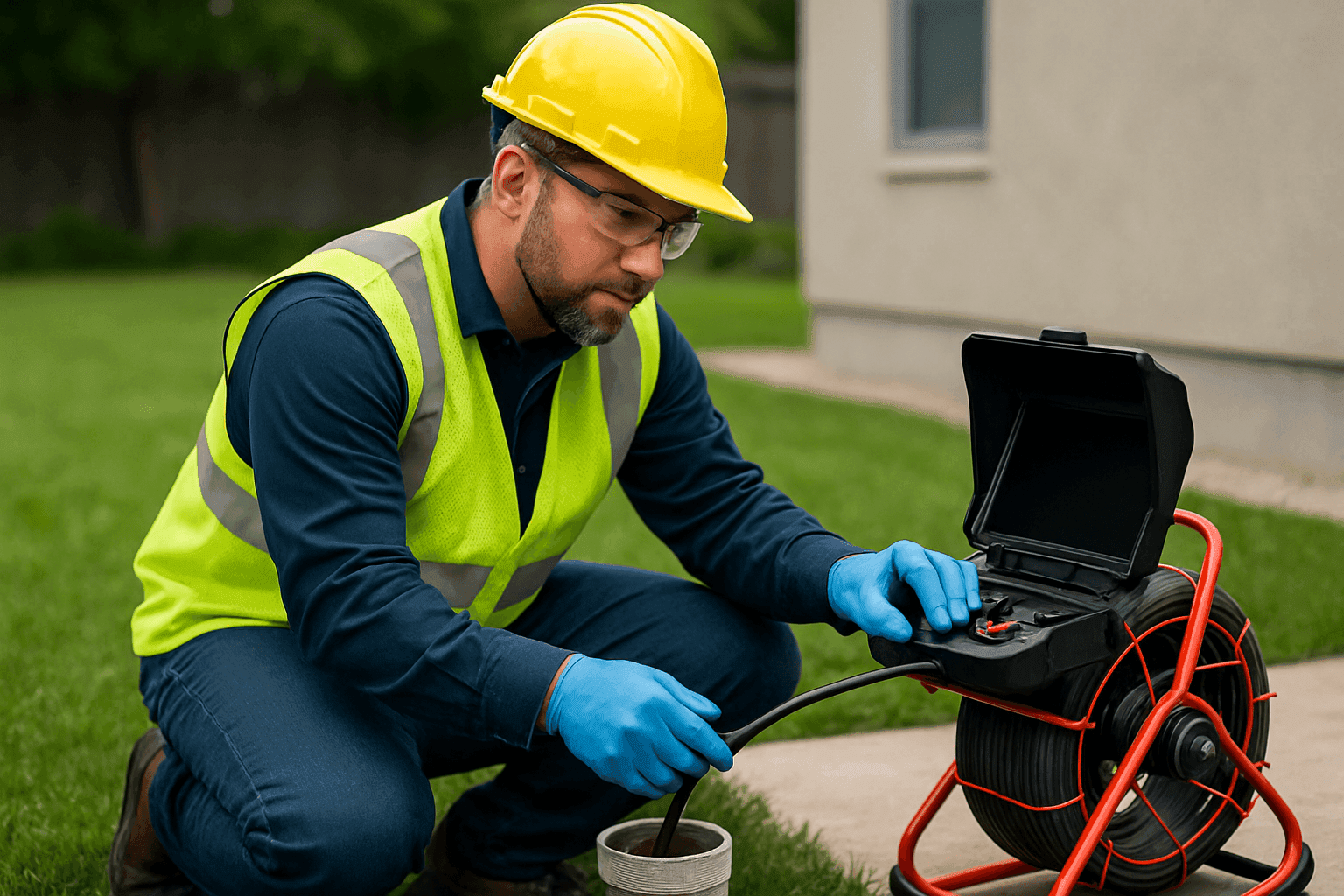
- Visual and Camera Inspection: Using a specialized camera, we look inside your sewer line (no digging needed at first!). This pinpoints blockages, cracks, or root invasions.
- Testing: We may perform water flow and backflow testing to check for hidden leaks or pressure issues.
- Diagnosis & Explanation: You’ll get a clear, plain-English summary of what’s going on and what needs to happen next.
- Safe Mitigation: If a temporary fix is needed (like shutting off water or containing a leak), we’ll handle it.
All inspections and repairs follow local safety codes and regulations, such as those from the International Plumbing Code (IPC) and the Occupational Safety and Health Administration (OSHA).
Prevention & Maintenance: Keeping Trouble at Bay
The best plumbing disaster is the one that never happens. Here’s how homeowners and business managers can protect their pipes:
- Schedule Regular Sewer Line Inspection near you: Early detection is key.
- Watch What Goes Down Drains: No grease, wipes, or foreign objects.
- Maintain Trees & Landscaping: Keep roots away from pipes.
- Upgrade Old Pipes: If your home’s pipes are decades old, consider repiping before a crisis hits.
- Install Backflow Prevention Devices: These stop sewage from flowing the wrong way—especially critical for commercial properties or flood-prone areas.
Annual inspections and preventative maintenance save money and headaches in the long run.
Costs & Time Factors
Plumbing fixes can range from quick repairs to major projects. Here’s what typically affects cost and timing:
- Severity of the Problem: Minor clogs are faster and cheaper. Collapsed lines mean excavation and longer work.
- Access to the Sewer Line: Easier access keeps labor costs down. Deep or hard-to-reach pipes take more time.
- Materials and Permits: Replacing old materials or meeting building codes can add cost.
- Inspection to Completion: Most inspections take 1–2 hours. Repairs can be same-day for minor issues, or several days for major replacements.
Open communication from your plumbing professional helps you plan and budget without surprises.
When It’s an Emergency 🚦
Some sewer line issues can’t wait. Call right away if:
- Sewage backs up into your home or business
- You smell strong, persistent sewage odors indoors
- There’s standing water or flooding near the foundation
- Multiple fixtures (toilets, sinks, showers) stop draining at once
Delays can lead to property damage, contamination, and serious health risks. Emergency plumbing services are available 24/7 for exactly these moments.
FAQ: Common Sewer Line Concerns
How often should I have my sewer line inspected?
For most homes, every 1–2 years. Commercial properties, or buildings with lots of trees, may need annual checks.
Can tree roots really break through pipes?
Yes! Roots seek out moisture. Even modern plastic pipes can crack under pressure from aggressive roots.
Are chemical drain cleaners safe?
No. They can corrode pipes, worsen blockages, and pose health risks. Always opt for professional drain cleaning.
What’s the difference between a clog and a damaged line?
A clog is a blockage (like grease or wipes). A damaged line means cracks, collapses, or pipe misalignment. Both can cause backups, but repairs are very different.
Local & Seasonal Considerations
- Heavy Rain & Flooding: Saturated soil increases the risk of pipe collapse or infiltration.
- Winter Freezes: Frozen ground can shift pipes, causing cracks or breaks.
- Urban vs. Rural Properties: Older city infrastructure may mean aging pipes; rural properties may face tree root or soil movement challenges.
No matter where you are, regular maintenance and quick response to warning signs keep your plumbing flowing smooth.
If you notice sewer line warning signs, don’t wait for disaster. Call AAA Septic & Plumbing now — or reach us anytime at 877-757-7586 .