Ultimate Drain Cleaning Guide: Keep Your Pipes Clear Year-Round
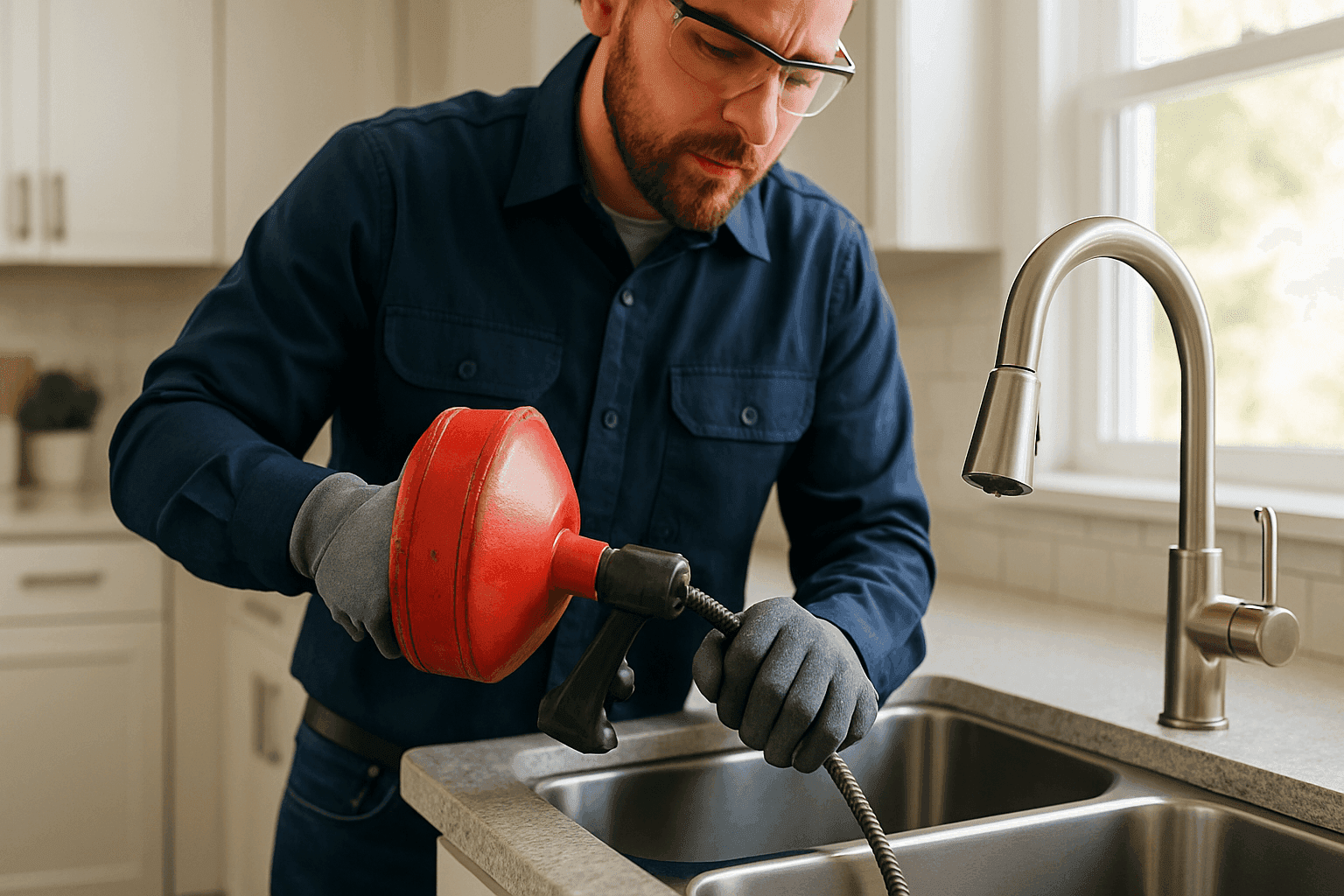
Keeping drains clear isn’t just about avoiding an occasional mess. It’s about protecting your home or business from bigger headaches—like water damage, expensive repairs, or even health hazards. At AAA Septic & Plumbing, we’ve seen it all. And we know the difference a clean, well-cared-for drain can make.
If you’ve ever dealt with a stubborn clog, you know the frustration. Standing water, strange smells—sometimes even a gurgle that sounds like your pipes are talking back. But with the right plan, these issues can be a thing of the past.
Why Regular Drain Cleaning Matters 🛁
Drains are like the unsung heroes of your plumbing system. They quietly carry waste and water away, day in and day out. But when they’re neglected, problems build up fast.
- Clogs: Even small blockages can snowball. Hair, grease, food scraps, and soap scum collect over time, narrowing your pipes.
- Odors: That funky smell in the kitchen or bathroom? It’s often a warning sign that bacteria and buildup are lurking.
- Costly Repairs: Left unchecked, clogs can cause burst pipes or sewer backups. These aren’t just inconvenient—they’re expensive.
- Water Damage: Overflowing sinks and slow drains can lead to water seeping into floors or walls, causing structural damage and mold.
Regular cleaning gives your drains room to breathe. It keeps everything flowing smoothly—saving you stress, money, and potential emergencies.
DIY vs. Professional Drain Cleaning
Not all clogs are created equal. Some are surface-level—easy fixes with a plunger or a drain snake. Others run deep, hidden in pipes or even the main sewer line.
Safe Home Methods
- Use a plunger for minor toilet or sink clogs.
- Try a drain snake (manual, not motorized) for hair or food buildup.
- Pour boiling water (if pipes are metal, not PVC) to melt greasy buildup.
Avoid Chemical Cleaners
- Many store-bought drain cleaners use harsh chemicals. They can corrode pipes, harm the environment, and pose safety risks.
- According to the U.S. Environmental Protection Agency (EPA), these chemicals can find their way into water supplies.
When to Call a Pro
- Repeated clogs in the same drain
- Water backing up in multiple fixtures
- Foul odors that won’t go away
- Gurgling or bubbling sounds from pipes
A professional plumber, like those at AAA Septic & Plumbing, has the tools and training to safely clear blockages—without damaging your plumbing.
Seasonal Tips for Clear Drains
Every season brings its own drain challenges. Staying ahead of them keeps your system healthy year-round.
Fall: Watch for Leaves and Debris 🍂
- Outside drains and gutters can quickly clog with fallen leaves.
- Clear debris regularly and consider installing drain covers.
- Schedule a sewer line inspection near you to spot roots or blockages.
Winter: Prevent Freezing and Bursts
- Insulate exposed pipes to keep them from freezing.
- Let faucets drip during cold snaps to keep water moving.
- Be mindful of what goes down the drain—grease can solidify in cold pipes.
Spring: Heavy Rains and Melting Snow
- Check sump pumps and basement drains for proper operation.
- Clear storm drains to avoid backups.
- Inspect for leaks as thawing can reveal pipe cracks.
Summer: Vacation and Entertaining
- With more guests, kitchen and bathroom drains work overtime.
- Remind visitors (and kids) not to flush wipes or pour grease down the sink.
- Schedule preventative maintenance after big gatherings.
Signs Your Drains Need Attention 🚩
Your plumbing often gives warning signs before a major problem hits. Listen for these:
- Slow Draining: Water pools or drains sluggishly, even after cleaning.
- Recurring Clogs: Same sink or toilet backs up again and again.
- Gurgling Sounds: Air trapped in pipes makes odd noises after flushing or draining.
- Bad Smells: Persistent odors, especially from kitchen or bathroom drains.
- Overflowing Fixtures: Water comes up in tubs or sinks when using other fixtures.
If you notice any of these, don’t wait. Early action is key to avoiding bigger problems.
Safe Drain Cleaning: Quick Safety Checklist
When you tackle a clog yourself, keep safety in mind:
- Wear gloves and protective eyewear.
- Never mix cleaning chemicals.
- Avoid using boiling water on PVC pipes.
- Don’t force a snake or auger—risk of pipe damage.
- If you smell gas or sewage, leave the area and call for help immediately (per OSHA guidelines).
DIY vs. Call a Pro: Know the Limits
It’s tempting to fix every plumbing issue yourself. But sometimes, DIY stops being safe or effective.
When DIY works:
- Minor clogs in sinks, tubs, or toilets.
- Removing visible hair or food debris.
- Pouring boiling water for greasy clogs (metal pipes only).
When to call AAA Septic & Plumbing:
- Multiple fixtures are clogged at once (could signal a mainline issue).
- Water backs up or doesn’t drain at all.
- You hear gurgling below floors or behind walls.
- You want eco-friendly, long-lasting solutions.
Professional plumbers use cameras and specialty tools. We can spot hidden problems and fix them without guessing.
What Pros Do On Arrival
When you call AAA Septic & Plumbing, here’s what you can expect:
- Assessment: We’ll ask questions about the problem and inspect affected fixtures.
- Camera Inspection: For deeper clogs, a video camera lets us see inside pipes. No guesswork—just clear answers.
- Safe Clearing: We use augers, hydro-jetters, or specialized tools. No chemicals, no pipe damage.
- Testing: We’ll run water to confirm everything is flowing right.
- Advice: Before we go, we’ll share tips for avoiding future problems.
We follow plumbing codes and EPA recommendations—so you can be sure your system is safe for your family, employees, and the environment.
Prevention and Maintenance: Your Year-Round Plan 🗓️
A little care goes a long way. Here’s how to keep your drains clear, season after season:
- Use drain screens to catch hair and debris.
- Never pour grease, fats, or coffee grounds down the sink.
- Run hot water after each use to clear soap and food residue.
- Once a month, flush drains with a mix of baking soda and vinegar—then rinse with hot water.
- Have annual sewer line inspection near you, especially if you have mature trees or an older home.
- Schedule preventative maintenance with a plumbing professional.
Regular care keeps surprise clogs—and big repair bills—at bay.
Costs & Time Factors
Drain cleaning costs and timelines can vary based on the problem’s location and severity.
- DIY fixes: Minimal cost, often under an hour.
- Professional cleaning: Usually 1–2 hours for a routine clog.
- Sewer line inspection or repair: Can take several hours, depending on access and pipe length.
Remember: repeated DIY attempts can sometimes make things worse. Investing in a professional fix early can save money—and prevent bigger issues down the road.
When It’s an Emergency
Some drain issues can’t wait.
- Overflowing toilets or sinks, especially with sewage
- Water leaking from floors or walls
- Strong sewage or gas smells (call for help and evacuate if needed)
In these cases, call AAA Septic & Plumbing right away. We handle emergency plumbing issues with urgency—keeping your property and health protected.
FAQ: Common Drain Cleaning Questions
Can I use vinegar and baking soda every month?
Yes! This combo is gentle and effective for routine maintenance.
Are chemical drain cleaners safe?
Most aren’t. They can damage pipes and harm the environment. Stick with mechanical methods or call a pro.
How do I know if I have a main sewer line clog?
If multiple drains back up at the same time, or you see water in floor drains, it likely points to a mainline issue.
Is drain cleaning messy?
With the right tools, it’s quick and tidy. Professionals use protective coverings and clean up thoroughly.
Local/Seasonal Considerations: Stay Ahead All Year
Wherever you are, a little seasonal awareness keeps your pipes happy:
- In older homes, have your pipes checked every fall before leaves and roots can cause trouble.
- During winter, monitor for slow drains—frozen pipes can lead to bursts.
- Before and after holidays or big events, check kitchen and bathroom drains for signs of buildup.
And if you’re not sure, schedule a sewer line inspection near you. Catching small issues early means fewer surprises—and more peace of mind.
Take control of your plumbing. For safe, eco-friendly drain cleaning and year-round peace of mind, Call AAA Septic & Plumbing now — or reach us anytime at 877-757-7586 .